Athletics
Why Distance Runners Move To The Roads
Road racing pays far more than the track for the same athletes, so most distance careers migrate outwards to longer events once track earnings stop rising.
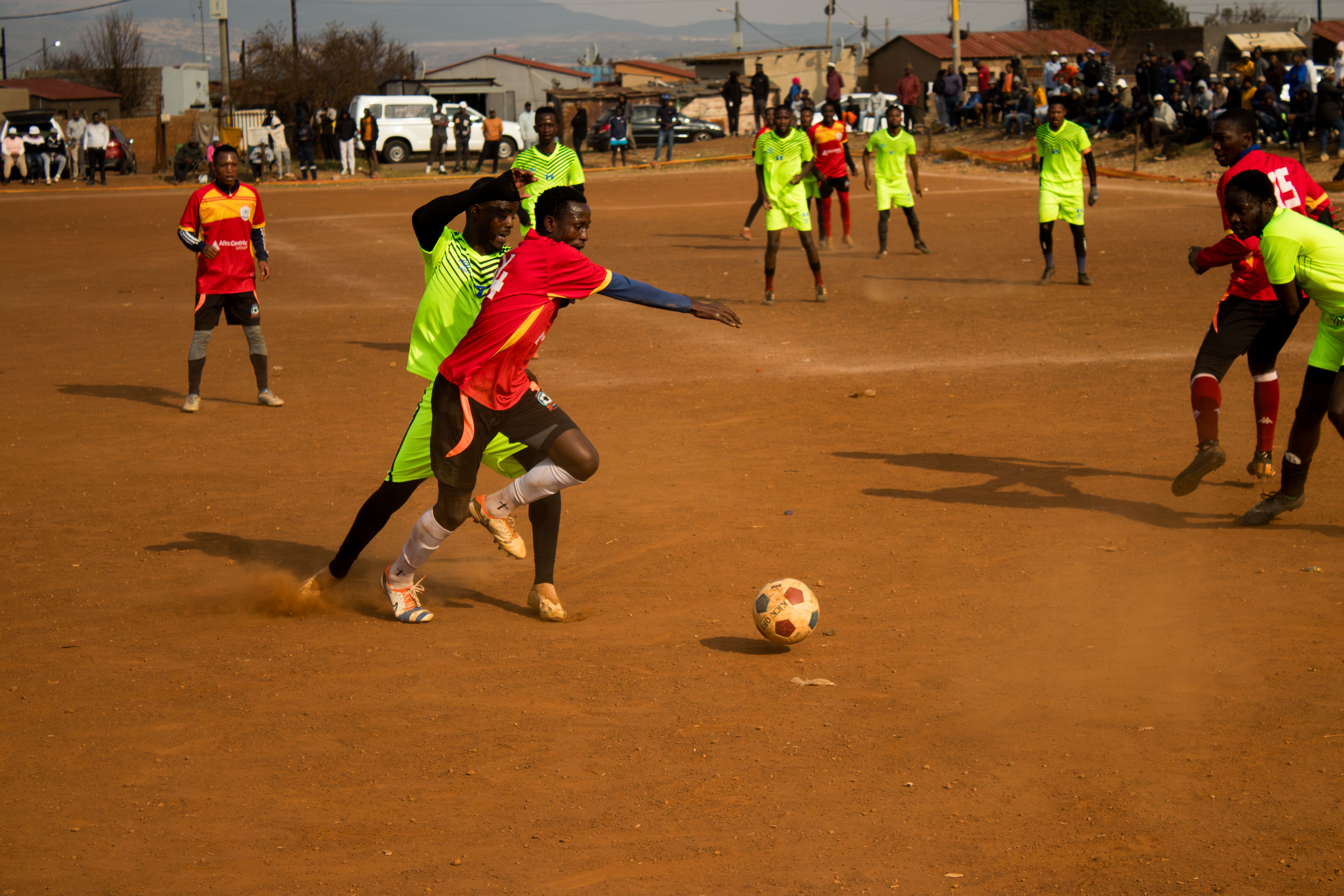
A distance runner's career usually begins on the track and ends on the road. The move is driven by earnings and by how the body ages, and it happens at a fairly predictable stage.
The money is on the road
Large city marathons and half marathons offer prize funds and appearance fees well beyond what a track meeting pays for an equivalent performance.
They also have mass-participation fields and sponsors who want elite athletes present, which supports a commercial scale the track cannot match.
An athlete who has reached the limit of his track earnings can multiply his income without becoming a better runner.
How ageing suits the longer events
Top-end speed declines earlier than endurance, so a runner losing a fraction of a second over a track lap may lose very little over a longer distance.
Marathon performance also depends heavily on accumulated training years and on pacing judgement, both of which improve with experience.
The result is that runners often produce their best road performances several years after their best track ones.
The training shift it requires
Road racing demands higher weekly volume and a different distribution of intensity, and the adaptation takes a full season or more.
Athletes typically move outwards in steps, racing the longer track distances and the half marathon before committing to the marathon itself.
Attempting the jump in one move is possible but tends to produce one good race followed by a long recovery.
Why races are limited per year
A marathon at full effort requires an extended recovery, which limits an athlete to a small number of serious attempts each year.
That concentrates income into a couple of dates and makes an injury or a bad day expensive in a way a track season is not.
Athletes therefore negotiate appearance fees rather than relying on prize money, and race organisers accept it because a confirmed elite field sells entries.
What the track loses
Distance events on the track lose their most experienced competitors to the road, which thins the fields at exactly the level audiences watch.
Track meetings have responded with faster formats, pacing technology and larger prizes for the longer distances, with partial success.
The underlying pull remains, because the road offers more money for fewer races, and no track circuit has yet found a way to match that.