Wimbledon
The queue: how a public ticketing system actually works
Selling most seats in advance while reserving some for people who turn up is a deliberate allocation choice, with consequences well beyond fairness.
Three routes to a seat
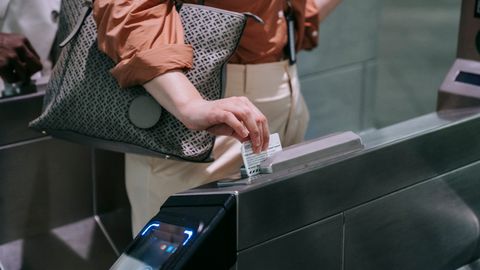
Tickets reach the public through a ballot, through arrangements with clubs and partners, and through a limited allocation released on the day. The ballot distributes a large share by lot, which removes both price competition and any advantage from speed of booking. The daily allocation is what the queue exists for, and it is deliberately small enough to require queuing but large enough to matter.
A resale scheme returns seats vacated during the day, recycling capacity that would otherwise sit empty through an afternoon. Each route solves a different problem, and together they distribute access along more than one dimension at once.
Why a ballot rather than a sale
Selling by price allocates seats to whoever values them most in monetary terms, which concentrates attendance among those able to pay. A ballot instead allocates by chance among everybody who applies, which spreads access considerably more widely across a population. It also removes the incentive to build automated systems for buying quickly, which distorts any first-come sale conducted at scale.
The cost is that a ballot cannot reward enthusiasm or loyalty, since every application carries exactly the same weight as any other. Organisers accept that cost because the alternative would change who attends within a very few years.
How the queue is run
The queue is a managed system with numbered cards issued in order, so a place is recorded rather than physically defended. Overnight camping is permitted in a designated area under published rules covering tent size, conduct and how many places one person may hold. Those rules exist because an unmanaged queue rewards whoever is willing to behave worst rather than whoever actually arrived first.
Stewarding converts what would otherwise be a scramble into an orderly process with a predictable and defensible outcome. The queue has consequently become an attraction in its own right rather than merely a cost of entry.
What queuing actually buys
A place in the queue secures entry to the grounds, and only a limited number of those admitted receive a seat on the main courts. Most people who queue watch on outside courts, where the early-round matches are played and access is unreserved. This is a genuine feature rather than a consolation, because early rounds contain far more matches than the show courts could ever hold.
The value of a grounds pass therefore falls as an event progresses and the number of matches being played shrinks. That is why the queue is longest at the start and shortest when the tennis is nominally at its very best.
The trade-offs the system carries
Reserving capacity for people who turn up means fewer seats available in advance, which disadvantages anybody unable to travel speculatively. It favours those with flexible time, which is a different bias from favouring those with money but remains a bias nonetheless. Digital ballots and resale platforms have reduced some frictions while introducing others around verification and transfer.
Any allocation system chooses which inequality to tolerate, since none of them can be neutral across every dimension at once. The mixture persists because it spreads the unfairness more thinly than any single mechanism would manage on its own, and spreading it thinly is the most that any allocation of a scarce and desirable thing can achieve.
- A ballot spreads access at the cost of rewarding nothing
- Stewarding is what stops a queue rewarding bad behaviour
- Every allocation system chooses which inequality to tolerate