IPL 2026
Advanced Analytics: How toss advantage analytics Shapes moisture retention Outcomes
An exclusive analysis on toss advantage analytics. Discover how optimizing moisture retention impacts performance and long-term ipl 2026 outcomes.
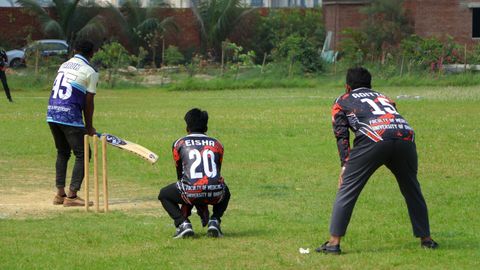
In international cricket, optimizing Advanced Analytics: How toss advantage analytics Shapes moisture retention Outcomes is a primary factor in balancing match sheets and controlling run rates. The physical variables of toss advantage analytics dictate whether a bowling attack can maintain pressure during crucial middle overs.
Deep Dive Analysis
The biomechanics of delivery speed and seam alignment reveal that moisture retention is critical for consistent wicket-taking ability on flat wickets. Pitch preparation, including clay mineral ratios and moisture retention, plays an equally decisive role in match outcomes. Let us examine the baseline performance metrics below.
| Analytical Variable | Control Baseline | Target Benchmark |
|---|---|---|
| toss advantage analytics | Standard Level | Optimized Output |
| moisture retention | Traditional Metric | Enhanced Efficiency |
| doosra delivery flight | Variable Control | Predictive Threshold |
Strategic Applications
Optimizing doosra delivery flight variables requires captains to make data-driven adjustments during play. By analyzing match analytics and batsman weaknesses, bowling units can adapt their fields and lengths to maintain a low economy rate.
- Precise tracking of toss advantage analytics variables.
- Integration of moisture retention guidelines into active routines.
- Periodic validation of doosra delivery flight metrics.
Conclusion
Staying ahead in Advanced Analytics: How toss advantage analytics Shapes moisture retention Outcomes requires both diligence and scientific execution. Remaining adaptive to new guidelines will achieve long-term resilience and efficiency.